 LazAgro
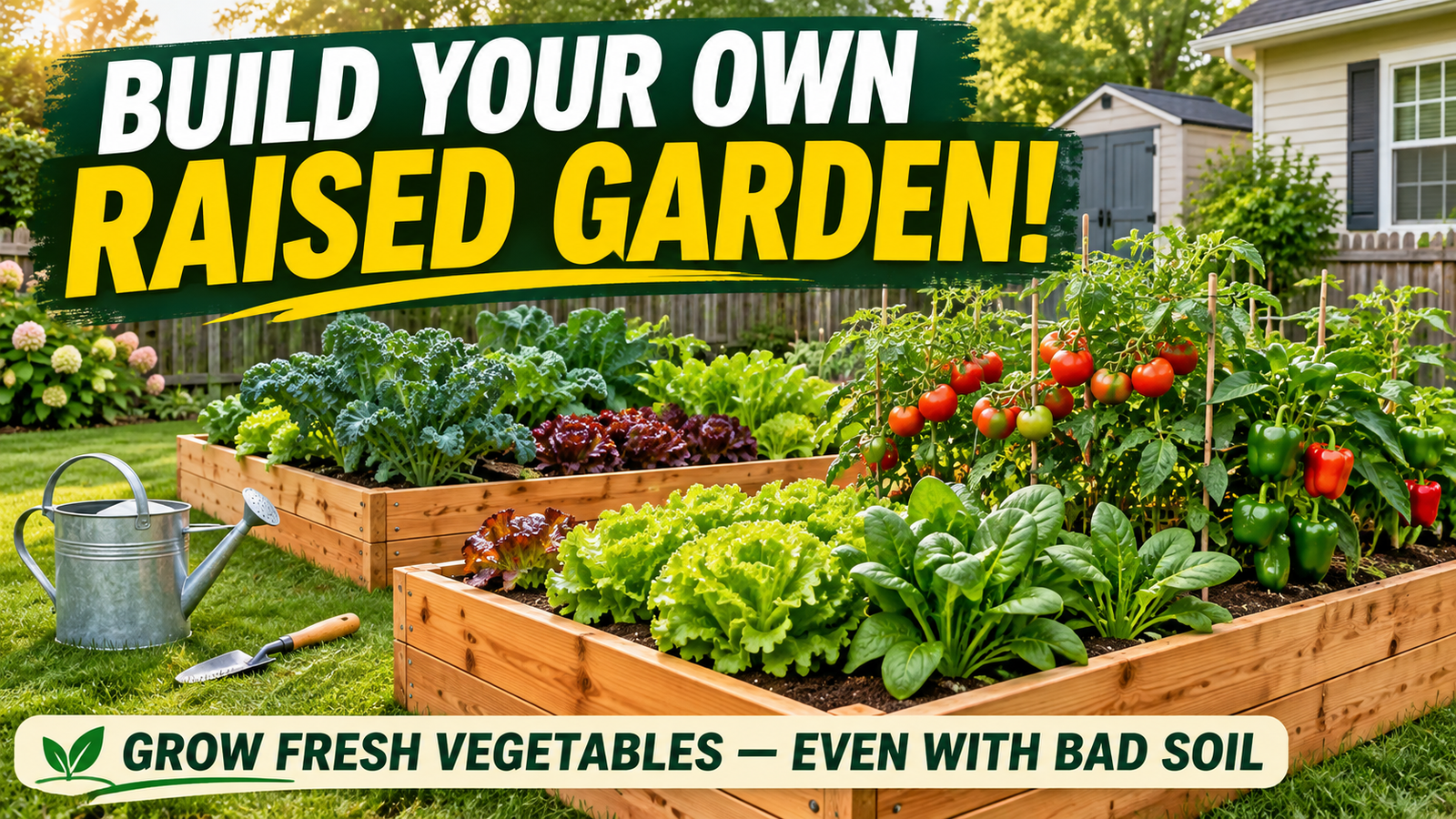
Imagine stepping into your backyard and picking fresh lettuce for lunch, tomatoes for dinner and herbs for your favourite recipes. You do not need a large farm to enjoy homegrown vegetables. In many cases, a well-planned raised garden bed is enough to get started.
Raised garden beds are popular because they allow gardeners to create a growing area with soil suited to their plants. They can be especially useful when the ground is compacted, drainage is poor or the existing soil is difficult to work with.
However, building a raised bed involves more than putting four boards together and filling the frame with dirt. The dimensions, location, materials, soil mixture and choice of vegetables all affect how well the garden performs.
This guide explains how to plan and build a raised garden bed, calculate the amount of soil you need, select suitable vegetables and maintain your garden through the growing season.
1. What is a raised garden bed?
A raised garden bed is a defined growing area in which soil sits above the surrounding ground. The sides may be made from wood, metal, stone, masonry or other suitable materials. Some beds sit directly on the ground, while others are elevated on legs.
A raised bed does not have to be expensive or complicated. A simple rectangular frame can work well if it is stable, made from suitable materials and filled with a growing medium appropriate for the crops.
Why gardeners choose raised beds
- Control over soil: You can create a suitable growing mix instead of relying entirely on the existing ground.
- Defined planting space: Beds make it easier to organise vegetables, herbs and crop rotations.
- Convenient access: A well-designed bed can reduce the need to walk through the growing area.
- Improved drainage in suitable designs: A raised bed may help where surrounding soil drains poorly, provided the site and bed construction allow excess water to escape.
- Flexible sizes: Beds can be adapted for patios, small backyards and larger gardens.
Raised beds are not automatically better for every garden. They can dry out faster than ground-level beds, require an initial investment in materials and soil, and may need more frequent watering during hot weather.
2. Choose the right location
Before buying lumber or soil, spend some time observing your yard. A poorly positioned bed can make gardening unnecessarily difficult, even when it has been built correctly.
How much sunlight do vegetables need?
Many fruiting vegetables, including tomatoes and peppers, perform best with roughly six to eight hours of direct sunlight a day. Leafy greens can often tolerate some shade, particularly in warmer weather, although their needs vary by crop and variety.
Observe the proposed site at different times of day. Trees, fences, buildings and neighbouring structures can cast shadows that change with the season.
Check drainage and access
- Avoid locations where rainwater regularly collects.
- Choose a reasonably level surface or prepare a stable base.
- Make sure you can reach the bed from the sides without stepping on the soil.
- Keep it reasonably close to a convenient water source.
- Check underground utilities before digging or installing posts.
If you are gardening on a balcony or rooftop, check the structure's load capacity before adding a heavy soil-filled planter. Wet soil can weigh considerably more than dry soil.
3. Decide on the dimensions
Width matters because you need to reach the middle of the bed without stepping into it. For a bed accessible from both sides, approximately 4 feet wide is a useful starting point. If the bed sits against a wall or fence, a narrower design may be easier to maintain.
Length depends on your available space and budget. A 6-foot or 8-foot bed can provide a useful amount of growing area without being difficult to manage.
How deep should a raised garden bed be?
A depth of around 6–8 inches may be adequate for some shallow-rooted crops when the underlying ground is usable. A depth of around 10–12 inches provides more growing medium for many common vegetables. Deep-rooted crops may need more depth or access to suitable soil beneath the frame.
Root requirements differ between crops. Tomatoes, carrots, potatoes and other vegetables should not all be assumed to need the same growing depth. Long carrots, for example, need sufficient loose soil beneath the intended root zone.
4. Select safe and durable materials
The frame should be sturdy enough to hold wet soil without bowing or collapsing. Wood is popular because it is relatively easy to cut and assemble, but other materials can also work.
Wood
Naturally rot-resistant, untreated wood is a straightforward option for many home gardeners. Cedar and redwood are commonly used where available, although their cost and durability vary by location and grade.
Ordinary untreated lumber may cost less initially but can deteriorate more quickly in contact with damp soil. Choose materials based on local availability, expected lifespan and budget.
Metal, masonry and recycled materials
Metal beds can be durable, but exposed metal may become hot in direct sunlight. Masonry can last a long time but requires a stable foundation and more effort to install.
Avoid materials with unknown chemical treatments, residues or contamination risks. Do not use old timber treated with creosote or materials that may have been exposed to harmful industrial chemicals. If using reclaimed wood, find out what it was previously used for.
You do not normally need a sealed bottom beneath a ground-level raised bed. An open bottom allows roots to reach the soil below and permits drainage. Where burrowing pests are a concern, suitable hardware cloth can be installed at the base without creating a water-trapping barrier.
5. Build the raised garden bed
Once you have selected the site, dimensions and materials, construction can be straightforward. The following method works for a simple rectangular wooden bed.
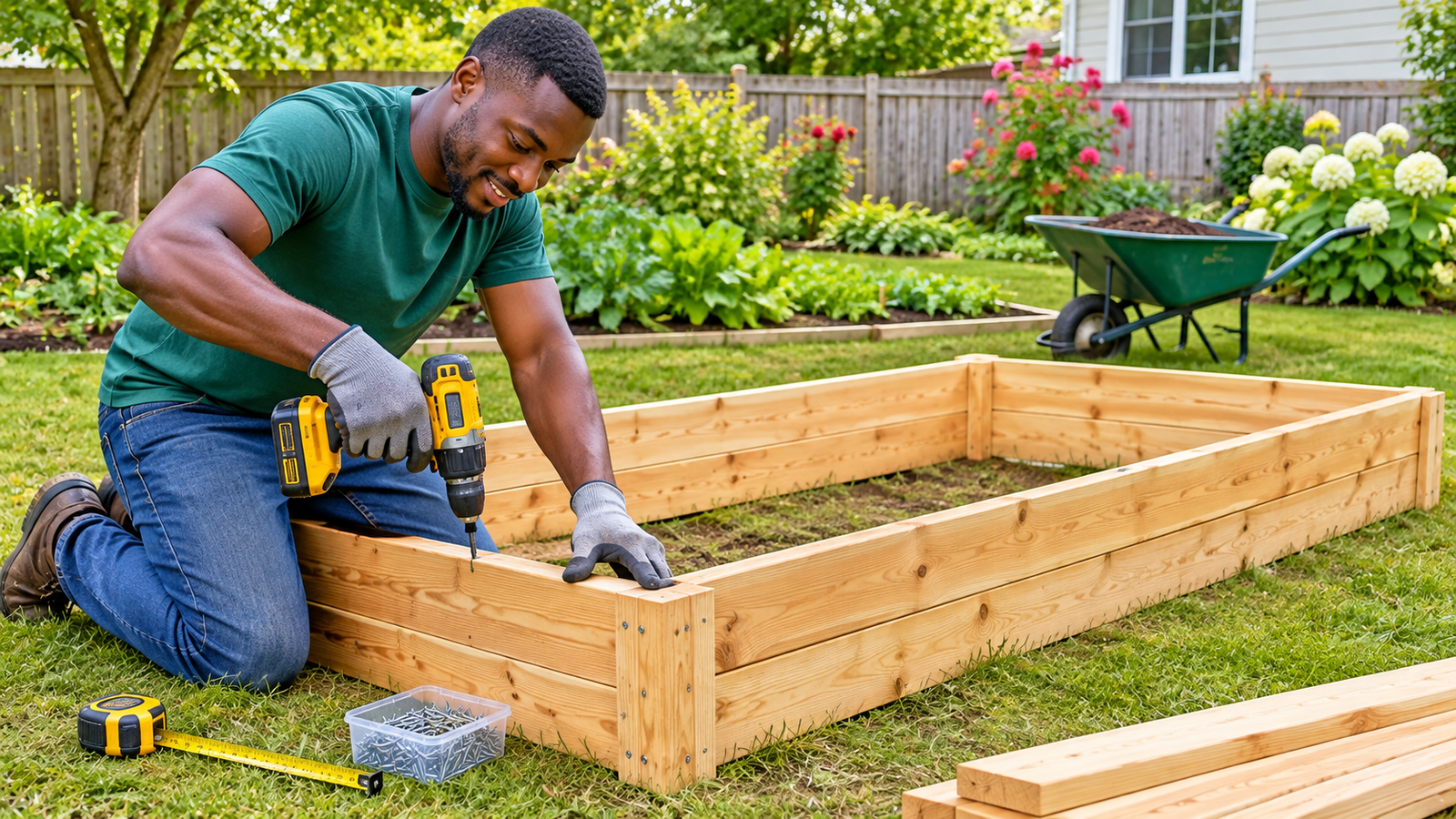
A simple, sturdy frame provides a defined space for preparing and managing the growing medium.
- Measure the site: Mark the intended length and width and confirm that the bed will not obstruct paths or access points.
- Prepare the ground: Remove weeds and large debris. Level the area enough to create a stable frame.
- Cut the boards: Cut the lumber to the chosen dimensions, following safe tool-handling practices.
- Assemble the frame: Join the corners with suitable outdoor-rated screws or appropriate fasteners.
- Check stability: Make sure the frame is square, level enough for its purpose and firmly assembled.
- Inspect the inside: Remove splinters, loose fasteners and debris that could interfere with planting.
- Prepare the base: Keep the bottom open for a ground-level bed unless a specific site condition requires a different design.
For long beds or beds with tall sides, additional bracing may be necessary because wet soil pushes outward against the frame. Do not assume that thin boards or weak corner joints will safely hold a deep bed.
6. Calculate how much soil you need
Soil is one of the largest expenses when building a raised bed. Buying too little can delay planting, while ordering far more than you need wastes money and leaves you with excess material.
To estimate the volume, multiply the bed's internal length by its internal width and the depth of the growing medium. Use the same unit for all three measurements.
For example, a bed that is 8 feet long, 4 feet wide and 1 foot deep holds:
8 × 4 × 1 = 32 cubic feet
That is approximately 1.19 cubic yards before allowing for settling. Actual purchasing needs may differ because of the bed's internal dimensions, the product's packaging and how much the mix settles after watering.
Raised bed soil calculator
Enter the internal dimensions of your bed in feet to estimate the volume.
7. Prepare the right growing mix
Filling the bed with any available dirt may not produce the results you want. The growing medium should retain enough moisture for plant roots while still allowing excess water to drain and air to reach the roots.
A practical starting point is a suitable blend of screened topsoil and mature, finished compost, with an appropriate aeration component if needed. The exact proportions depend on the texture of the topsoil, the compost quality, the climate and the crops being grown.
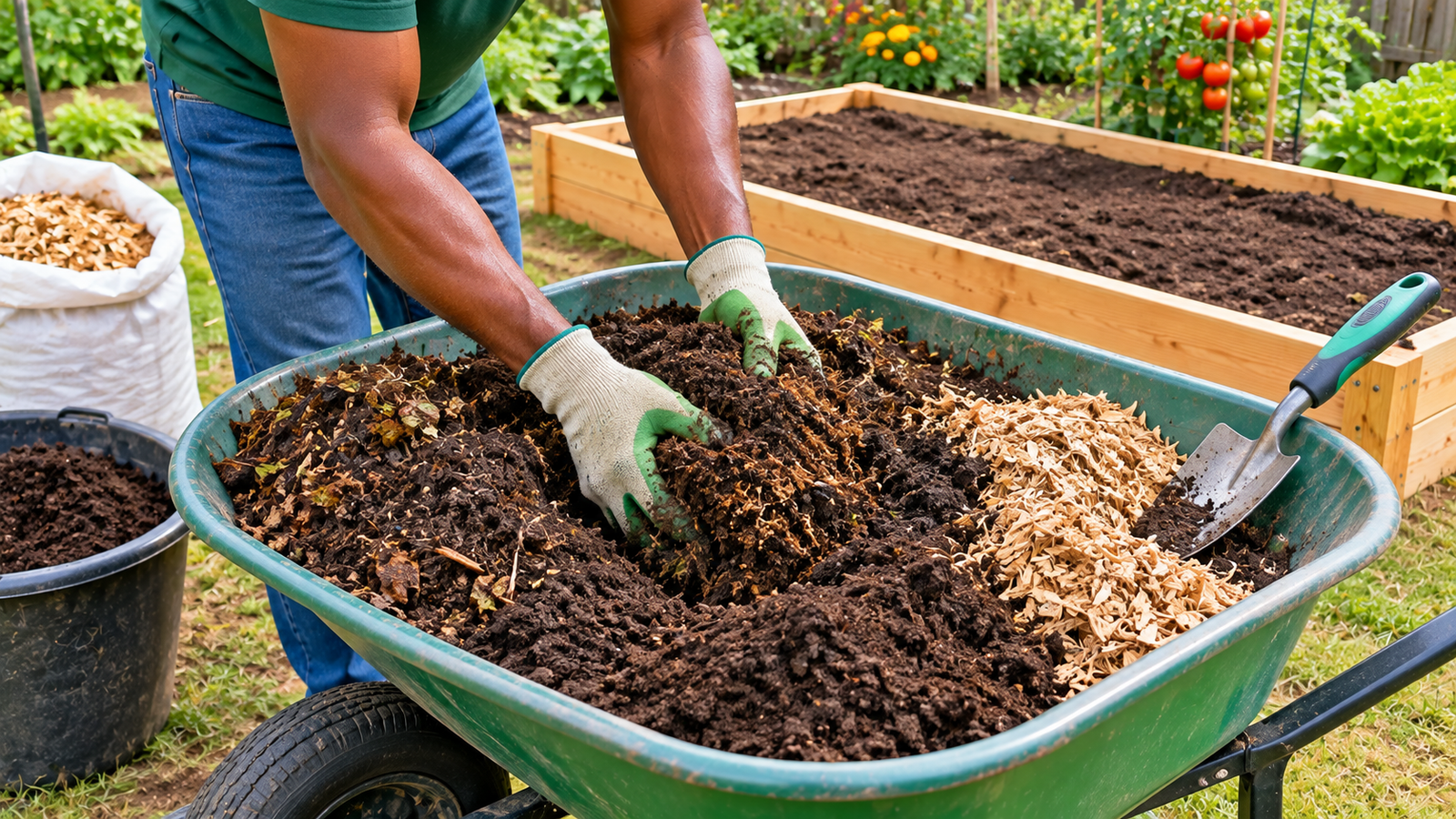
A suitable growing mix balances moisture retention, drainage and air space around plant roots.
What each ingredient contributes
- Topsoil: Provides mineral soil and helps give the mixture structure.
- Mature compost: Adds organic matter and can supply nutrients. Quality and nutrient levels vary.
- Suitable aeration material: Depending on the soil texture, materials such as coarse horticultural perlite or other appropriate components can help improve air space and drainage.
Avoid using fresh manure, unfinished compost or unknown fill material as the main growing medium. These may contain excessive salts, harmful organisms, weed seeds or contaminants. Use finished compost from a reliable source.
A raised bed filled with a mix that drains poorly can remain waterlogged, while a very sandy mixture may dry out too quickly. If you are unsure about the soil or compost, consider a soil test and ask a local extension service for recommendations suited to your crops.
8. Choose vegetables that suit your garden
The best vegetables depend on your climate, available sunlight, growing season, bed depth and the food you actually enjoy eating. Start with a manageable selection rather than planting every crop at once.
Good choices for beginners
- Lettuce: Often grows well in cool or moderate conditions and can be harvested leaf by leaf in suitable varieties.
- Spinach: Useful for leafy harvests where the climate and variety suit its temperature requirements.
- Radishes: Many varieties mature relatively quickly and can be suitable for beginners.
- Green onions: Useful in a small garden and can be grown in rows or clusters.
- Tomatoes: Productive in a sunny bed, provided plants receive appropriate support, water and spacing.
- Peppers: Often suitable for warm, sunny conditions and can produce over an extended period in favourable climates.
- Herbs: Basil, parsley and other herbs can be useful additions, depending on local conditions.
These are examples rather than a universal planting list. For instance, lettuce and spinach can struggle in intense summer heat, while tomatoes and peppers generally need warmer conditions.
9. Plan spacing before planting
A common beginner mistake is packing too many plants into the bed. Small seedlings may look as though they have plenty of room, but mature plants need space for roots, leaves, airflow and access for harvesting.
Follow the spacing recommendations on seed packets or transplant labels. Consider the mature size of each variety, not just the size of the young plant.
Tall crops can shade smaller plants, so place them where they are least likely to block sunlight from the rest of the bed. In many Northern Hemisphere gardens, tall plants are often placed toward the north side to reduce unwanted shading, but the best arrangement depends on the site's sun path.
You can also plant in succession. Instead of sowing every seed at once, plant a portion of a quick-growing crop and sow another portion later. This can spread harvests over time, provided the remaining growing season is long enough.
10. Water your raised bed correctly
Raised beds can dry out faster than the surrounding ground, particularly when they are shallow, exposed to wind or filled with a free-draining mix. Water requirements also change with temperature, rainfall, plant size and crop type.
Rather than watering according to a rigid schedule, check the moisture in the root zone. If the soil is dry where the roots are growing, water thoroughly. If it is still wet, wait and reassess.
Watering tips
- Water near the base of plants where practical.
- Water deeply enough to moisten the active root zone.
- Check moisture during hot, windy or unusually dry weather.
- Use mulch where suitable to reduce surface evaporation.
- Make sure excess water can drain away.
- Avoid keeping the bed continuously saturated.
Drip irrigation or a soaker hose may help deliver water efficiently, particularly in larger beds. Any irrigation system should be adjusted to the soil, weather and crop requirements.
11. Feed plants and maintain soil health
Vegetables use nutrients as they grow, but adding more fertiliser is not always the answer when plants look unhealthy. Yellow leaves, slow growth and poor fruit production can result from several causes, including watering problems, unsuitable temperatures, pests and nutrient deficiencies.
Begin with a suitable growing medium and follow crop-specific fertiliser guidance. Soil testing can help determine whether additional nutrients are needed and reduce the risk of overapplication.
Compost can contribute organic matter and nutrients, but its nutrient content is variable. It should not automatically be treated as a complete fertiliser for every crop.
At the end of a growing cycle, remove diseased plant material appropriately, clear away weeds and replenish organic matter when needed. Rotate crop families where possible to reduce the repeated buildup of some crop-specific pests and diseases.
12. Protect the bed from common problems
Raised beds are not immune to pests or disease. Slugs, caterpillars, aphids, fungal diseases and other problems may still affect vegetables, depending on the crop and location.
Inspect plants regularly. Look at the undersides of leaves, check for chewing damage and notice changes in growth before a problem spreads.
- Use suitable barriers or netting when appropriate for the pest.
- Keep tools and containers clean.
- Provide enough spacing for airflow.
- Avoid unnecessary wetting of foliage where it may encourage disease.
- Remove severely diseased material according to local guidance.
- Identify the pest or disease before selecting a treatment.
If you use a pesticide, choose a product approved for the specific crop and pest, follow its label exactly, and observe all harvest intervals and safety instructions. Do not assume a product is suitable simply because it is marketed for gardens.
13. What does it cost to build a raised garden bed?
The cost depends on the size of the bed, the material used, local lumber prices, the amount of soil required and whether you already own tools.
A small bed made from affordable, suitable lumber may cost considerably less than a large cedar bed or a premium metal kit. Soil and compost can also represent a substantial portion of the total budget, especially when filling a deep bed from scratch.
Budget for these items
- Frame materials and fasteners.
- Soil and finished compost.
- Seeds or starter plants.
- Watering equipment.
- Optional supports, protective netting or irrigation components.
- Tools you do not already own.
To estimate your cost, calculate the soil volume first, compare local prices for appropriate materials and include a reasonable allowance for waste and settling. Prices change by location, so obtaining current local quotes is more reliable than relying on a universal cost estimate.
14. Common raised garden bed mistakes
- Making the bed too wide: You may need to step into it to reach the centre, compacting the growing medium.
- Choosing a shady location: Fruiting vegetables may produce poorly without adequate sunlight.
- Using contaminated materials: Unknown reclaimed timber or fill can introduce unwanted chemicals.
- Buying too much soil: Calculate the internal volume before ordering.
- Using poor-quality compost: Immature or contaminated material can create growing problems.
- Overcrowding plants: Crowding reduces airflow and makes maintenance harder.
- Ignoring watering needs: Raised beds may dry quickly in hot weather.
- Overfertilising: Excess nutrients can harm plants and contribute to environmental pollution.
Frequently asked questions
What is the best size for a raised garden bed?
A bed around 4 feet wide and 6–8 feet long is a practical starting point for many home gardeners. Adjust the width so you can comfortably reach the centre from the sides, and choose a depth suited to the crops.
Do I need to remove the grass under a raised garden bed?
Removing or suppressing existing grass and weeds can reduce competition. For a ground-level bed, you can prepare the surface and use an appropriate weed-suppression method that does not create a drainage problem. Avoid introducing contaminated materials into the bed.
Can I use ordinary garden soil in a raised bed?
Sometimes, but the result depends on the soil's texture, drainage, nutrient content and contamination risk. Heavy soil may compact or drain poorly when placed in a contained bed. A suitable blend of topsoil and mature compost may be more effective.
How often should I water a raised garden bed?
There is no single schedule that works everywhere. Check soil moisture in the root zone and adjust watering according to temperature, rainfall, soil mix and plant needs.
Can raised garden beds be used in small spaces?
Yes. A compact bed or appropriately designed planter can work in a small backyard or patio. Check sunlight, drainage, access and structural load limits before installing one on a balcony or rooftop.
Final thoughts: Start small and grow with experience
Building a raised garden bed is a manageable way to begin growing vegetables at home. You do not need an elaborate structure or a large property. You need a suitable location, safe materials, a well-prepared growing medium and a planting plan that fits your climate.
Start with a few vegetables you enjoy eating. Observe how they respond to the sunlight, soil and watering conditions. Keep notes about planting dates, harvests and problems so you can improve the next growing season.
A successful garden develops through observation and small adjustments. With good planning and consistent care, a simple raised bed can become a productive part of your home.
Bring better organisation to your growing operations
Whether you manage a backyard growing project or a larger farm, keeping track of activities, purchases, sales and inventory helps you understand where your time and money go.
LazAgro — Never lose field data again.
Discover LazAgro