 LazAgro
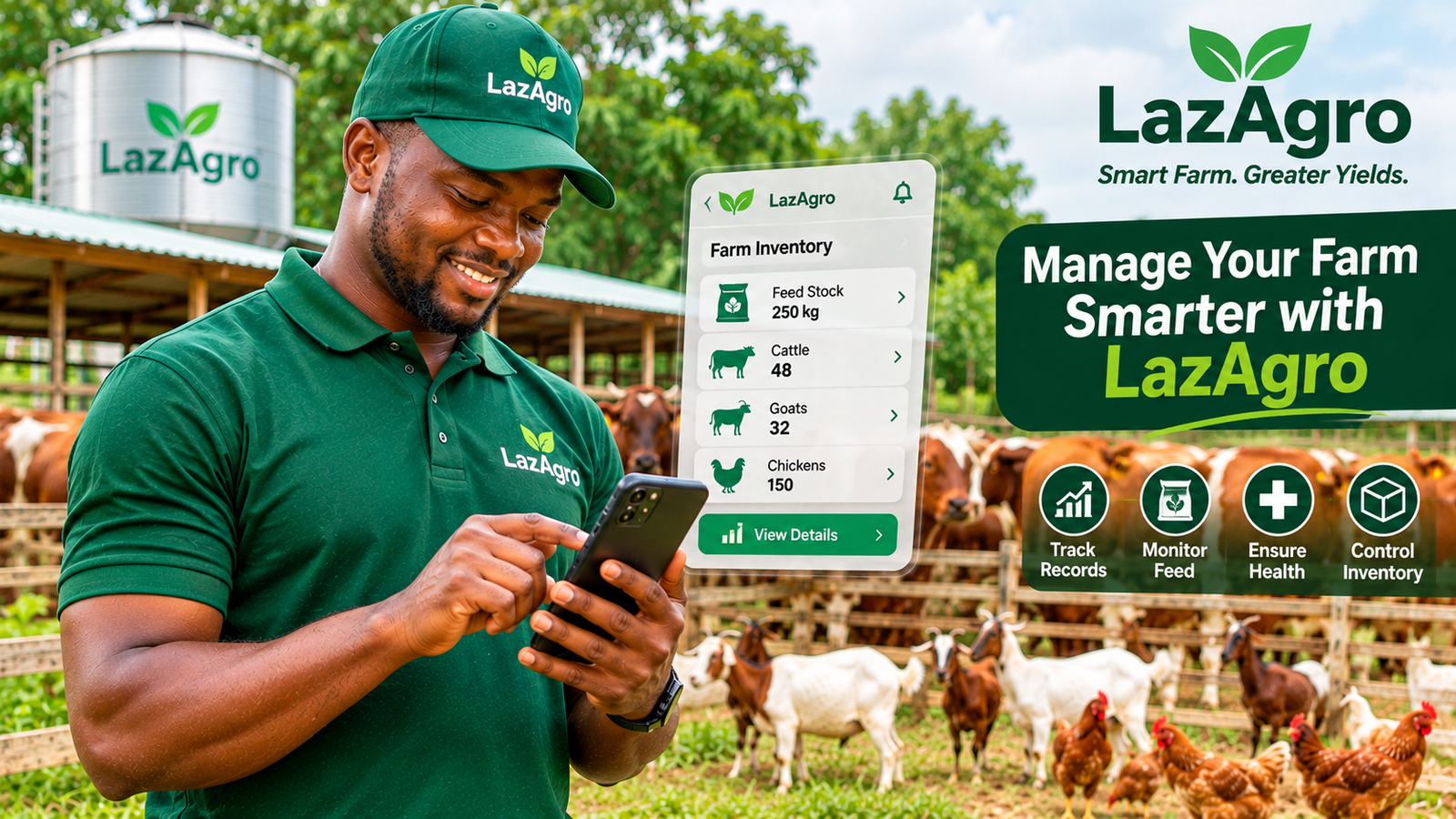
Feed management is one of the most important parts of running a successful livestock farm. Whether you raise broilers, layers, goats, sheep, cattle, or pigs, the way you purchase, store, distribute, and monitor animal feed directly affects your farm's operating costs.
Many farmers focus on purchasing good-quality feed but overlook how much is wasted, how efficiently it is distributed, and how accurately consumption is recorded. These small gaps can become expensive over time.
Good livestock feed management is not simply about feeding animals less. It is about providing appropriate nutrition, reducing unnecessary losses, maintaining proper storage, and understanding exactly where your feed goes.
- How to manage livestock feed efficiently.
- Why feed waste increases farm expenses.
- How to monitor feed consumption by batch.
- How to store feed properly and prevent spoilage.
- How to manage feed inventory and purchases.
- How digital farm records can improve feed management.
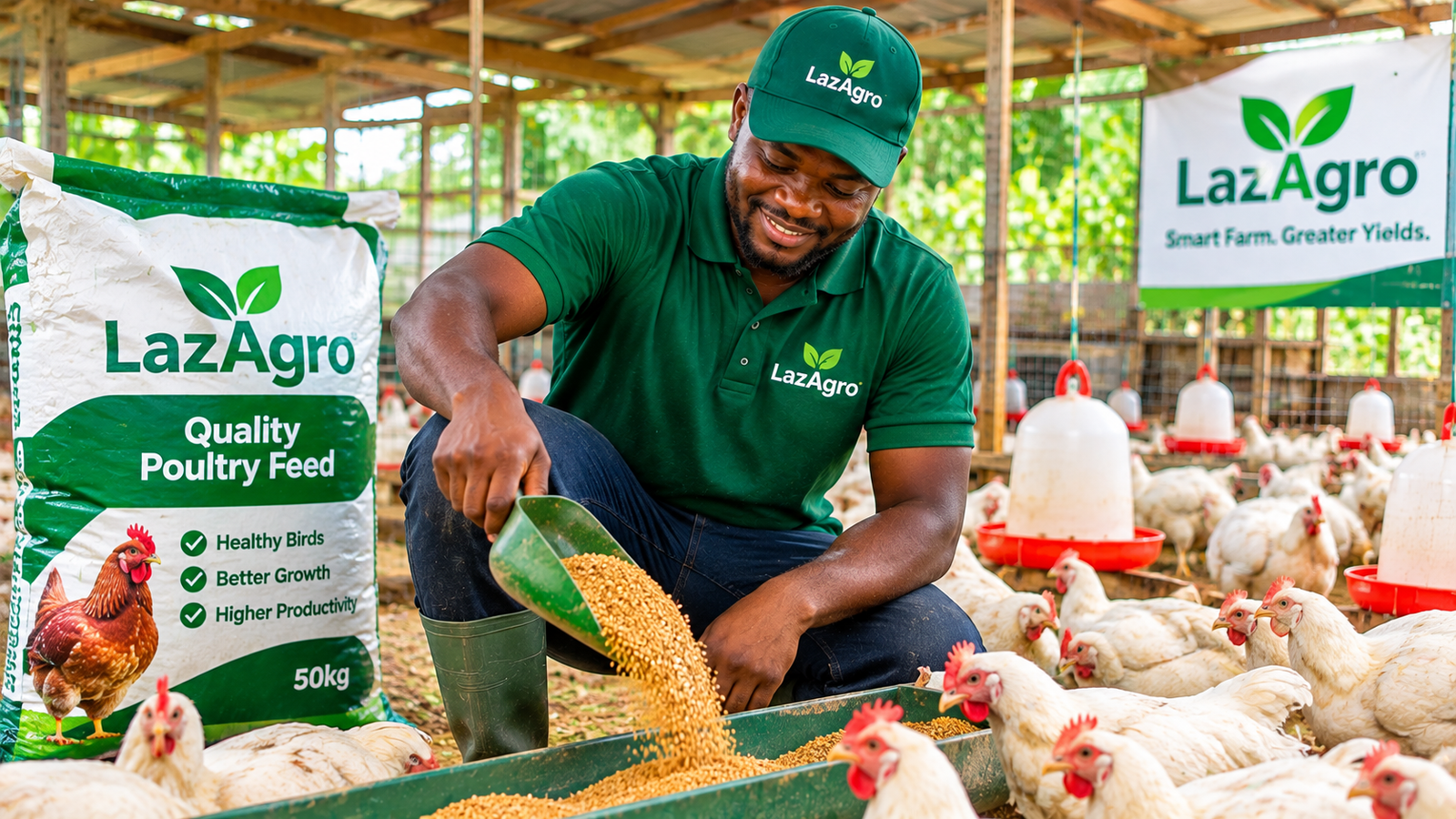
1. Understand How Much Feed Your Animals Need
The first step in effective livestock feed management is understanding the feeding requirements of the animals you raise.
Different livestock species have different nutritional needs. Even animals of the same species may require different feeding approaches depending on their age, weight, production stage, health, and management system.
For example, broiler chickens require different feeding programs as they progress through starter, grower, and finisher stages. Layers have nutritional requirements associated with egg production, while growing cattle require appropriate nutrition to support development.
Rather than estimating quantities from memory, establish a feeding plan based on the recommendations of a qualified animal nutritionist, veterinarian, feed manufacturer, or relevant agricultural specialist.
Consider recording:
- Animal type and production stage.
- Number of animals in each batch.
- Type of feed being used.
- Recommended feeding quantity.
- Actual quantity issued.
- Changes in feed consumption.
2. Record Feed Issued to Each Livestock Batch
One common mistake on growing farms is recording only the total feed purchased without tracking how much goes to individual batches.
Imagine you manage two broiler batches. One contains 300 birds and the other contains 500. If you issue feed from the same store without recording which batch receives what quantity, it becomes difficult to compare their consumption and production costs.
Instead, maintain separate feed records for each batch.
For every feeding activity, record:
- Date of feed distribution.
- Batch receiving the feed.
- Feed type.
- Quantity issued.
- Person responsible, where applicable.
- Relevant observations.
This approach gives you a clearer picture of feed usage across different production cycles and helps identify unusual consumption patterns.
Do not combine all your farm's feed usage into one general figure. Recording consumption by batch makes it easier to understand where your resources are going.
3. Identify and Reduce Feed Waste
Feed waste can quietly increase the cost of livestock production. Feed may be spilled, contaminated, exposed to moisture, damaged by pests, or distributed in quantities that are not properly monitored.
Start by examining your feeding process and identifying where unnecessary losses occur.
Some practical ways to reduce feed waste include:
- Use appropriate feeding equipment for your livestock.
- Inspect feeders regularly for damage and spillage.
- Avoid filling feeders beyond practical capacity.
- Keep feeding areas clean and dry.
- Check that feed is accessible to the animals.
- Monitor unusual changes in feed consumption.
- Train farm workers to follow consistent feeding procedures.
Remember that reducing waste does not mean restricting animals below their nutritional requirements. Your goal should be to improve feed handling and distribution while maintaining appropriate nutrition and animal welfare.
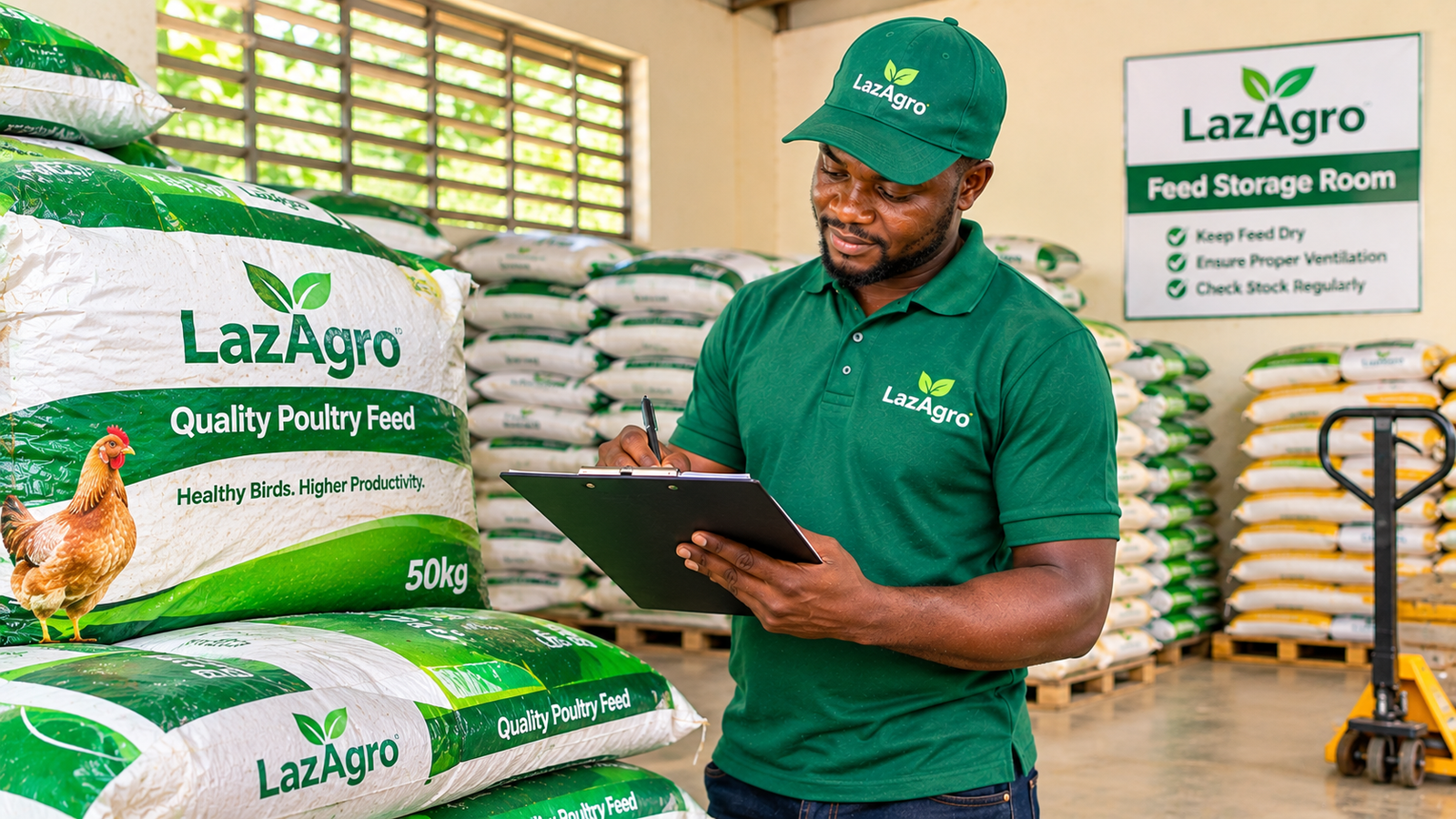
4. Store Animal Feed Properly
Buying quality feed is only part of the process. Poor storage can reduce its quality and lead to financial losses.
Feed should generally be stored in a clean, dry, well-ventilated area, protected from rain, direct moisture, pests, and contamination.
Good feed storage practices include:
- Keep feed bags off damp floors using suitable pallets.
- Protect stored feed from rain and leaking roofs.
- Keep storage areas clean and organized.
- Control rodents and other pests.
- Separate damaged or contaminated feed from usable stock.
- Follow manufacturer storage instructions and expiry dates.
- Use older suitable stock before newer deliveries, while respecting expiry and quality requirements.
Inspect your feed regularly. If you notice unusual odors, visible mold, dampness, or contamination, do not simply mix the affected feed with fresh stock. Seek appropriate professional advice on safe disposal or handling.
5. Monitor Feed Inventory and Avoid Emergency Purchases
Running out of feed unexpectedly can disrupt a farm's feeding routine. On the other hand, buying excessive quantities without considering storage capacity, expiry dates, and cash flow can create other problems.
A proper inventory system helps you understand how much feed is available and when you may need to restock.
Maintain records of:
- Opening feed stock.
- New feed purchases.
- Feed issued to livestock batches.
- Damaged or discarded quantities.
- Current stock balance.
- Supplier information and purchase costs.
For example, if you begin a week with 40 bags, receive another 20 bags, and issue 15 bags to your batches, your expected remaining stock is 45 bags, assuming there are no other stock movements or losses.
Closing Stock = Opening Stock + Purchases − Usage − Recorded Losses
Use consistent units, such as kilograms or bags, and record the bag size whenever you use bags as your unit.
6. Calculate Your Feed Costs
Knowing how much feed you purchase is useful. Knowing how much it costs to feed each batch is even more useful.
Keep track of feed purchase prices, quantities, and the total amount issued to each production batch.
For example, consider a hypothetical farm that purchases 50 bags of feed at 18,000 currency units per bag.
| Description | Value |
|---|---|
| Feed bags purchased | 50 |
| Price per bag | 18,000 |
| Total purchase cost | 900,000 |
| Bags issued to one batch | 20 |
| Feed cost allocated to that batch | 360,000 |
This is a simple illustration. Actual feed cost calculations should account for opening inventory, remaining stock, purchases, transfers, and the quantity genuinely consumed by each batch.
When you understand feed expenses per batch, you can compare production cycles and investigate why costs differ.
7. Compare Feed Consumption Across Production Cycles
One of the advantages of keeping consistent records is the ability to compare one production cycle with another.
Suppose you raise broilers in three different batches. You can compare:
- Total feed purchased and issued.
- Number of birds started and remaining.
- Production duration.
- Feed cost per batch.
- Weight gain, where measurements are available.
- Mortality and other production outcomes.
These comparisons may help you identify changes in performance, purchasing costs, feed handling, and management practices.
However, do not assume that lower feed consumption automatically means better performance. Consider animal growth, health, mortality, and production outcomes together.
8. Train Your Farm Team to Follow the Same Process
When several people work on the same farm, inconsistent record keeping can become a serious problem.
One worker may record feed in bags, another in kilograms, and another may not record it at all. These differences make it difficult to calculate accurate stock balances.
Establish simple procedures that everyone follows:
- Use consistent measurement units.
- Record feed received immediately.
- Record quantities issued to each batch.
- Report damaged or contaminated stock.
- Assign responsibility for stock checks.
- Review inventory regularly.
Clear responsibilities help ensure that feed records remain useful even when the farm manager is not physically present.
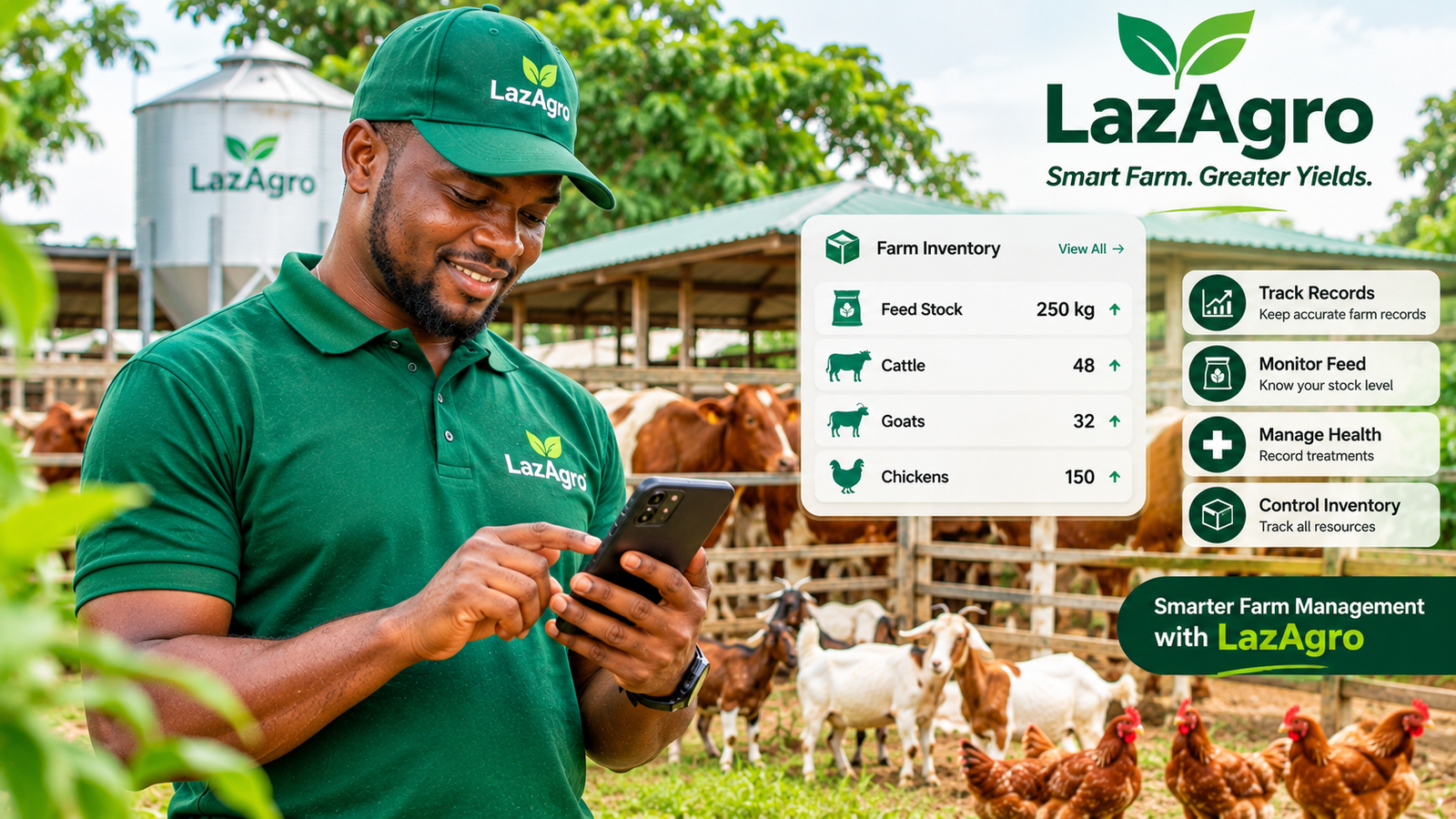
9. Use Digital Farm Management Tools
Paper records can work for a small operation, but managing multiple batches, stores, suppliers, and farm locations can become difficult as the business expands.
A digital farm management application can help organize purchases, feed usage, livestock batches, inventory, and other activities in one place.
For farmers who work in locations with unreliable internet, offline functionality is particularly valuable. You should not have to stop recording essential farm activities simply because your network connection disappears.
This is why offline-first farm management is an important consideration when choosing software for your operation.
10. How LazAgro Makes Feed Management Easier
LazAgro is a farm management application built for farmers and farm teams who need a practical way to organize daily operations.
It is designed to work offline, allowing supported records to be saved on your phone first and synchronized automatically when connectivity returns.
With LazAgro, you can:
- Manage multiple farms under one organization.
- Organize livestock batches, flocks, herds, and production cycles.
- Record feed-related farm activities.
- Monitor purchases and sales.
- Manage inventory and stock levels.
- Record health treatments and mortality.
- Keep farm activities organized even when internet access is unreliable.
Take Control of Your Farm Records
Know what you purchase, what you issue, and what remains in stock. Organize your livestock operations with a farm management tool designed for real field conditions.
Explore LazAgro →Frequently Asked Questions About Livestock Feed Management
What is livestock feed management?
Livestock feed management is the process of planning, purchasing, storing, distributing, and monitoring animal feed to meet nutritional requirements while controlling unnecessary waste and operating expenses.
How can farmers reduce feed waste?
Farmers can reduce feed waste by using appropriate feeding equipment, preventing spillage, storing feed correctly, monitoring distribution, and training workers to follow consistent feeding procedures.
How do I calculate livestock feed costs?
Record the quantity and price of feed purchased, then track the quantity allocated to each livestock batch. Multiply the quantity allocated by its applicable unit cost, accounting for inventory and stock movements.
How should animal feed be stored?
Store feed in a clean, dry, well-ventilated area protected from moisture, pests, and contamination. Follow the manufacturer's storage instructions and monitor expiry dates.
Why should I track feed consumption by batch?
Batch-level records make it easier to compare feed usage, calculate production expenses, monitor stock distribution, and investigate differences between livestock production cycles.
Can I manage feed inventory without internet?
Yes. You can use paper records or an application that supports offline record keeping. LazAgro is designed to save supported records locally and synchronize them when internet connectivity returns.
Final Thoughts
Effective livestock feed management is about more than buying feed at the right price. It involves understanding nutritional needs, monitoring consumption, reducing waste, protecting stored feed, and keeping accurate inventory records.
Start by recording every purchase and every quantity issued to your livestock batches. Review your stock regularly and compare feed costs across production cycles.
Small improvements in how you manage feed can help you understand your farm's expenses and make better operational decisions.
LazAgro — Never lose field data again.