 LazAgro
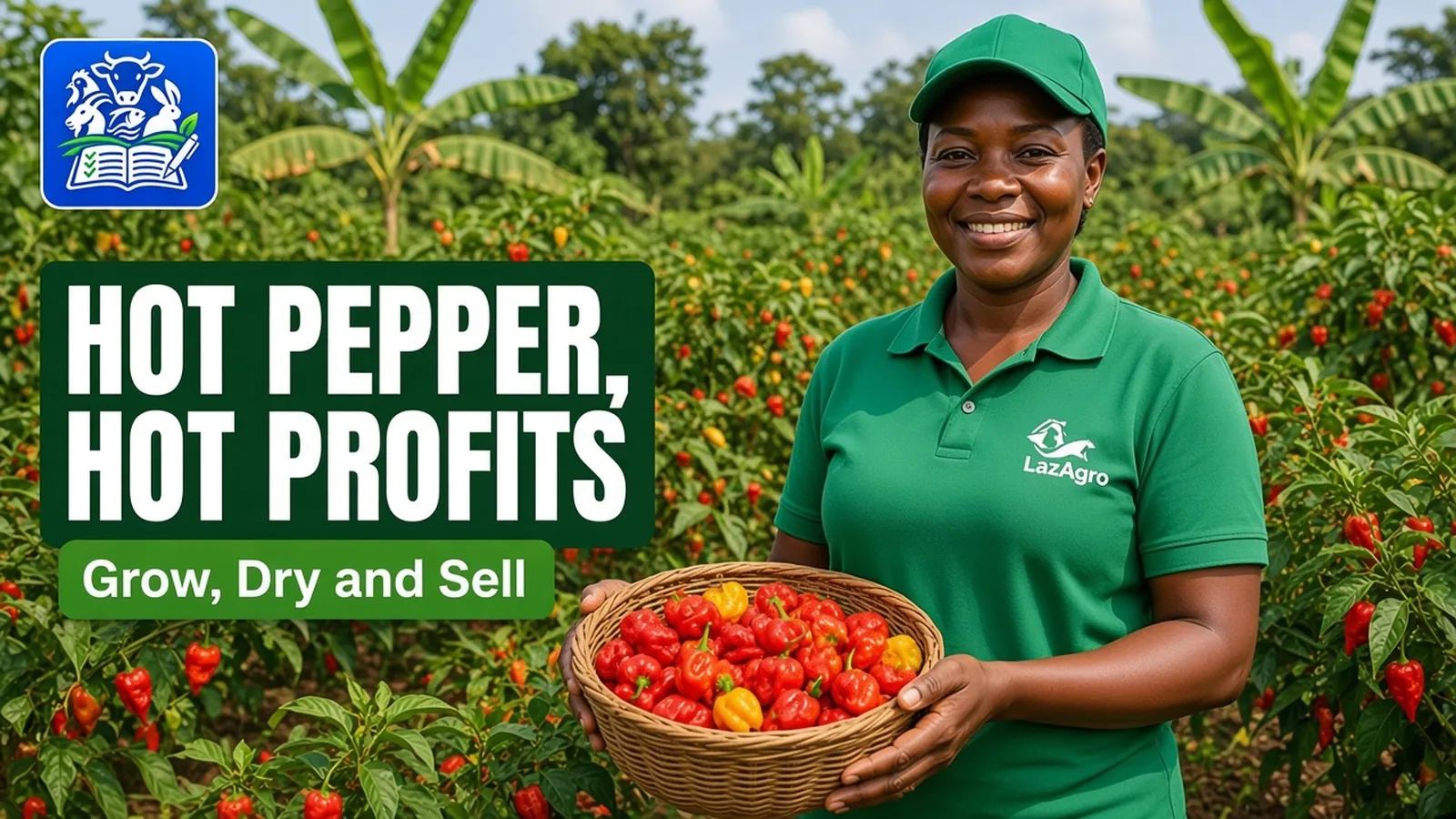
No Cameroonian kitchen runs without pepper. It goes into ndolé, eru, achu soup, pepper soup, roadside fish and every grilled "soya" stick. That daily demand is why hot pepper farming in Cameroon can be a steady earner for small farmers, both fresh at the market and dried or ground for longer storage. It is also why prices swing so sharply when supply dries up or floods in.
Before going further, a quick note on names. When people abroad hear "Cameroon pepper", they sometimes think of Penja pepper, the white and black pepper grown in the Moungo area of the Littoral Region, which carries a protected geographical indication. That is a different plant, a climbing vine (Piper nigrum). This guide is about hot pepper or chilli (Capsicum species), the fiery pods sold in every market, often called "piment".
We will cover choosing varieties, raising seedlings, setting up the field, feeding and watering, managing pests and viruses, harvesting, drying and selling. If you are new to pepper farming in Cameroon, start small and learn the crop before investing heavily.
1. Why grow hot pepper?
- Constant demand in homes, restaurants and street food.
- Long harvest period: a healthy plant can be picked many times over several months.
- Several products: fresh pods, dried whole pepper, ground pepper and pepper sauces.
- Storable when dried, so you are not forced to sell on bad days.
- Suited to small plots and home gardens as well as larger fields.
The challenges
- Pests like mites, whiteflies, thrips and aphids, and the viruses they spread.
- Fruit rots and leaf diseases in very wet weather.
- Flower drop in very hot weather or under water stress.
- Labour-intensive harvesting.
- Price swings for fresh pepper.
2. Choosing varieties
Local markets in Cameroon sell several types of hot pepper. They differ in heat, shape, colour and use.
| Type | Typical features | Common uses |
|---|---|---|
| Scotch bonnet / habanero types (C. chinense) | Lantern-shaped, very hot, aromatic; red, yellow or orange | Fresh in soups and sauces, pepper sauce |
| Small bird's-eye types (C. frutescens) | Small, upright, very hot pods | Dried and ground, fresh in grilled dishes |
| Long cayenne-type chillies (C. annuum) | Long, thin pods, moderately to very hot | Drying and grinding, fresh use |
Ask market sellers and restaurant owners near you which type moves fastest and at what price. Some urban buyers pay more for large, glossy, uniform scotch bonnet types. Grinding businesses prefer types that dry well.
Seed
Buy seed from reputable dealers when possible. Saving seed from your own open-pollinated plants is common and cheaper, but only save from healthy, productive plants with no virus symptoms. Do not save seed from hybrids; their offspring are unpredictable.
3. Raising strong seedlings
Pepper seed germinates more slowly than tomato and seedlings grow slowly at first. A good nursery saves the crop.
- Use a clean, loose growing mix: compost, topsoil and sand, or a commercial medium.
- Sow in trays or raised nursery beds under light shade and rain cover.
- Cover the nursery with fine insect netting against whiteflies, aphids and thrips that spread viruses.
- Water gently; keep moist but not soggy.
- Harden seedlings with more sun in the final week.
- Transplant when seedlings have several true leaves and are sturdy, often around five to seven weeks after sowing.
Our guide to starting a vegetable seedling nursery covers media, trays and hardening in more detail.
4. Preparing the field
Site
Hot pepper needs full sun and well-drained soil. Waterlogging kills roots quickly. The CARDI hot pepper technology pack, written for similar tropical conditions, recommends deep, free-draining soils and notes that peppers do not tolerate waterlogging.
Rotation
Avoid planting pepper where pepper, tomato, Irish potato, garden egg or huckleberry grew recently. They share diseases like bacterial wilt and some viruses.
Beds and organic matter
- Use raised beds or ridges in the rainy season.
- Work generous amounts of compost or well-rotted manure into the soil before transplanting. Our guide on how to make compost on the farm explains a simple method.
- On slopes, make beds across the slope.
Spacing
Spacing depends on variety and plant size. Many farmers use roughly 50–60 cm between plants and 75–100 cm between rows for medium-sized hot pepper types. Larger, bushier varieties need more room.
5. Transplanting and early care
- Transplant on a cloudy day or late afternoon.
- Water immediately and keep soil moist for the first two weeks.
- Mulch with dry grass to keep soil moist, reduce weeds and stop soil splash.
- Replace dead seedlings early so the field stays uniform.
- Stake tall or heavily fruiting varieties to stop branches breaking.
6. Feeding and watering
Nutrition
Hot pepper is a long-season crop, so it needs steady feeding. Combine organic matter at planting with fertiliser applied in several small doses through the season, as recommended by your extension agent or input dealer. Too much nitrogen gives big, leafy plants with few flowers.
Water
Uneven watering causes flower and fruit drop. In the dry season, water regularly, ideally at the base of the plants early in the morning. Drip lines save water and keep leaves dry.
Heat
The CARDI technology pack describes hot pepper growing best at roughly 20–30°C. Very hot spells are commonly linked to flower loss. In hot lowland areas, mulch, regular watering and light shade during the hottest weeks can help.
7. Pests, diseases and viruses
Mites
Broad mites and spider mites cause curled, distorted, bronzed or narrow leaves, especially in dry weather. They are tiny and hard to see. Remove badly affected shoots and seek advice on registered miticides if needed.
Whiteflies, aphids and thrips
These suck sap and spread viruses. Use insect netting in the nursery, keep fields weed-free, and avoid planting next to old, infested pepper or tomato fields.
Viruses
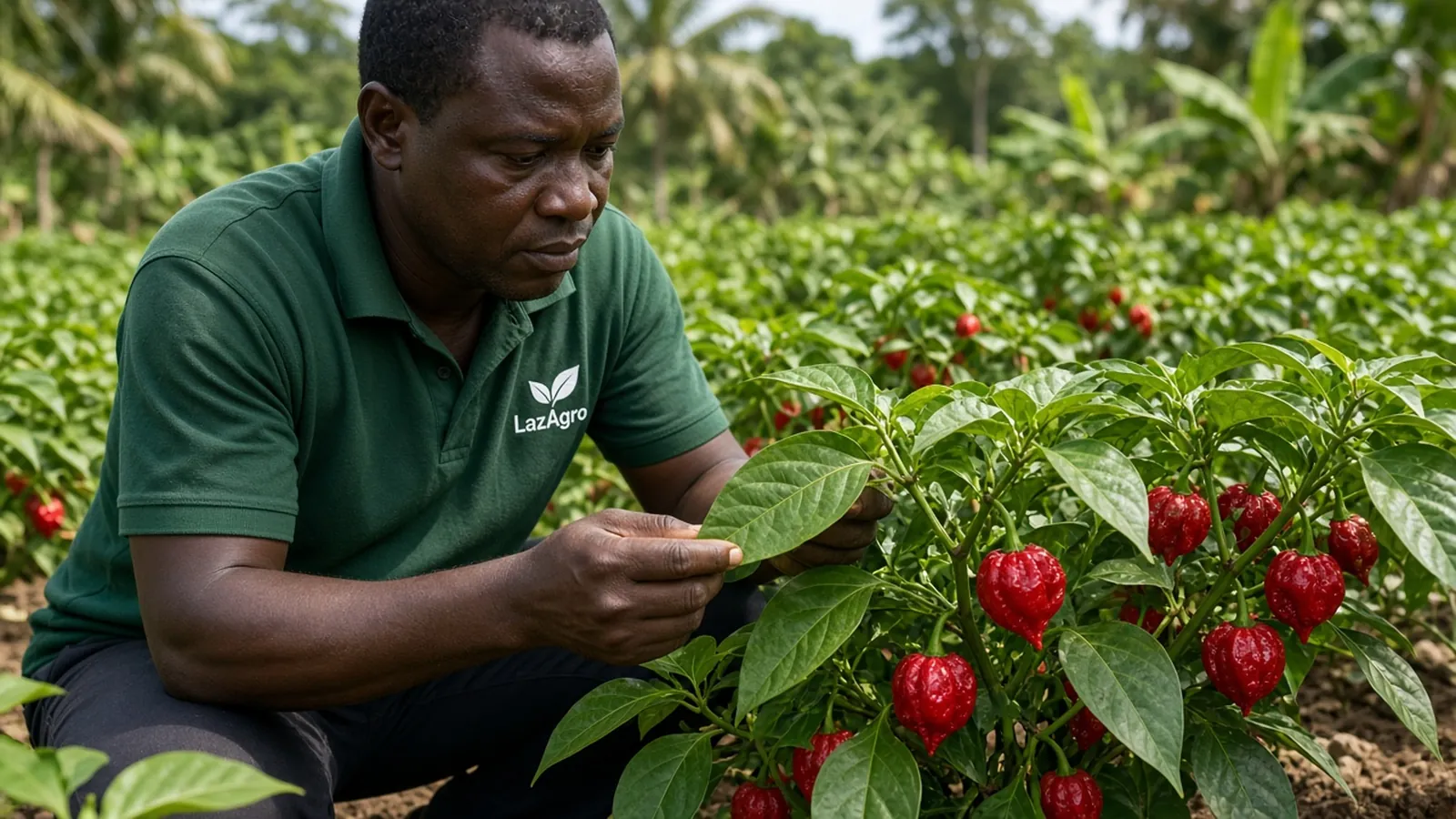
Mottled, curled, yellowed or crinkled leaves, stunted plants and misshapen fruit often mean virus infection. There is no cure. Pull out and destroy infected plants early to protect the rest, and control the insects that spread them.
Fruit rots and leaf spots
Heavy rain brings anthracnose (sunken dark spots on fruit), bacterial leaf spot and other diseases. Good spacing, mulch, raised beds, removing infected fruit and timely protective sprays with registered fungicides help.
Bacterial wilt
Sudden wilting of green plants. Remove affected plants and rotate away from related crops.
8. Harvesting
- First harvests usually start a couple of months or more after transplanting, depending on variety and season.
- Pick fruit green or ripe depending on what your buyers want. Red ripe fruit is usually preferred for drying.
- Harvest every few days to a week. Regular picking encourages more flowering.
- Pick with the stalk attached and handle gently.
- Wear gloves when handling large quantities of very hot pepper, and keep hands away from your eyes.
- Keep harvested fruit in the shade and move it to market quickly.
9. Drying and grinding: adding value
Drying lets you store pepper and sell when fresh prices are high or when buyers want dry pepper. It also opens the ground pepper market.
Drying
- Use clean, fully ripe, undamaged fruit.
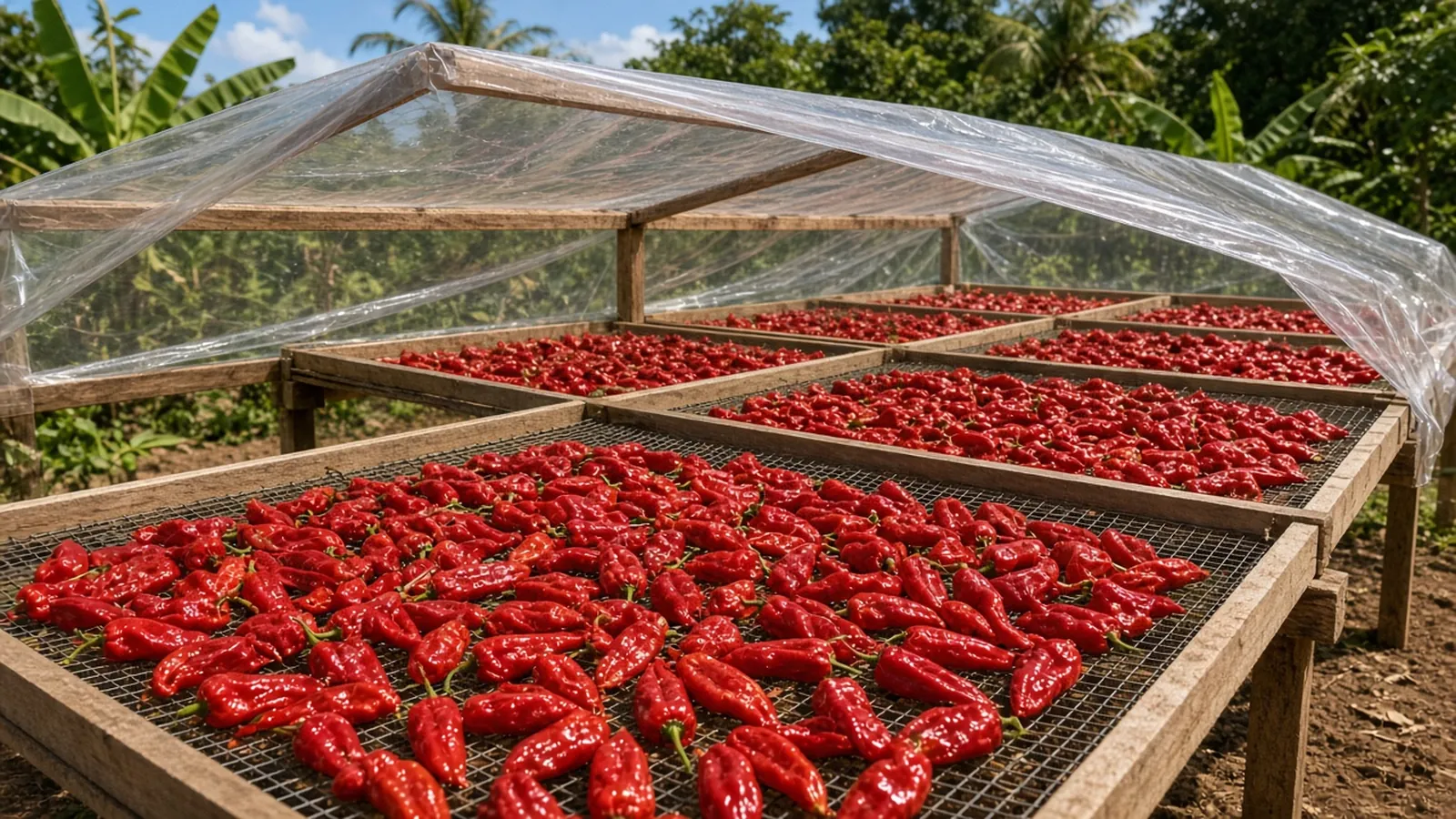
- Dry on clean raised racks, mats or tarpaulins, never on bare ground.
- Protect from rain and dew. A simple solar dryer with a plastic cover speeds drying and keeps out dust and insects.
- Turn regularly for even drying.
- Dry until pods are brittle and seeds rattle.
Grinding and packaging
Ground pepper sells well in towns. Grind clean, well-dried pepper, pack in sealed, labelled bags or jars, and keep a clean, dry processing area. A simple label with your name, weight and date builds trust with buyers.
10. Selling hot pepper
- Fresh markets: sell to market women and wholesalers. Learn your local price pattern by recording prices every week.
- Restaurants and food vendors: they need regular supply and value consistent quality.
- Dried and ground pepper: sell through shops, supermarkets and directly to households.
- Pepper sauce: a further step, but it requires good hygiene and proper bottling.
- Seedlings: if your nursery is good, sell seedlings to other farmers.
11. Keeping records
Hot pepper's long harvest makes record keeping more important. Note transplant dates, inputs, sprays and pre-harvest intervals, each picking's weight, and sales prices. Over a season you will see which plots and varieties paid best. The LazAgro app lets you record activities and sales per field, even offline. Our guide on managing a farm without internet explains how.
12. Common hot pepper farming mistakes
- Raising seedlings in the open, where insects infect them with viruses early.
- Planting in waterlogged soil.
- Leaving virus-infected plants in the field.
- Irregular watering during dry spells.
- Drying pepper on bare ground or in humid conditions.
- Spraying and picking without respecting waiting periods.
13. Costs to plan for before planting
Hot pepper stays in the field for months, so costs spread over a long period. Write them down before you start so you are not surprised halfway through the season.
| Stage | Typical cost items |
|---|---|
| Nursery | Seed, trays or nursery bed materials, growing mix, insect netting, watering |
| Field preparation | Clearing, bed making, compost or manure, transport of organic matter |
| Crop care | Fertiliser, mulch, stakes, pesticides where needed, sprayer, protective clothing, labour for weeding |
| Water | Watering cans, hoses, pump fuel or a drip kit in the dry season |
| Harvest and post-harvest | Picking labour, baskets or crates, drying racks or solar dryer, bags, jars and labels, transport |
Labour is often the largest hidden cost, because picking every week for months adds up. If you hire pickers, agree on a rate per basket or per day and record it. If family members pick, count their time anyway so you understand what the crop really costs.
Once you know your total cost and your total harvest, you can work out a break-even price per kilo or per basket. That number is your floor when negotiating with buyers, and it helps you decide whether to sell fresh or dry part of the harvest.
Frequently asked questions about pepper farming in Cameroon
1. Is Penja pepper the same as hot pepper?
No. Penja pepper is Piper nigrum, a climbing vine grown in the Moungo area of the Littoral. Hot pepper or chilli is Capsicum, a bushy plant grown across Cameroon.
2. How long does hot pepper take to produce?
First harvests usually begin a couple of months or more after transplanting, depending on variety and season, and picking can continue for several months.
3. Why are my pepper leaves curling?
Curling is often caused by mites or viruses spread by whiteflies and aphids. Inspect closely, remove infected plants and control the insects early.
4. Why are my pepper flowers falling off?
Flower drop is commonly linked to heat, water stress, irregular watering or too much nitrogen. Mulch, water steadily and balance fertiliser.
5. Is it better to sell fresh or dried pepper?
Fresh pepper sells quickly but prices swing. Dried and ground pepper takes extra work but stores longer and lets you sell when prices are better. Test both in your market.
Final thoughts
Pepper farming in Cameroon rewards farmers who start clean, watch closely and pick often. Keep viruses out of the nursery, protect the soil, dry carefully and learn your market's rhythm. A small, well-managed pepper plot can earn steadily for months.
Track every picking and every sale
LazAgro helps you record activities, harvests and sales per field, online or offline.
Discover LazAgro