 LazAgro
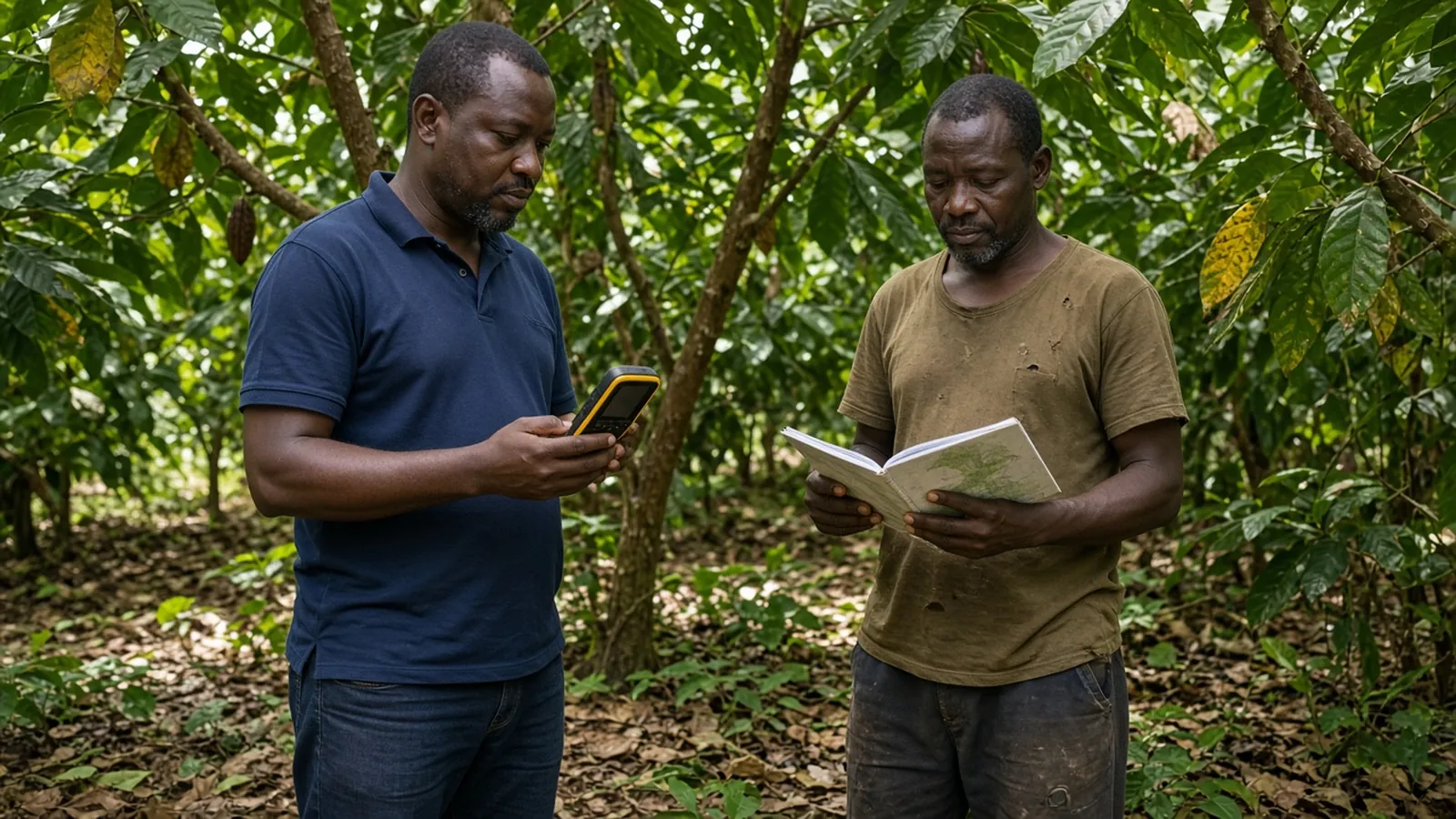
A European buyer in 2026 is not only asking whether you can fill a container. They are asking whether you can show, plot by plot, that the cocoa, coffee, rubber or other forest-risk commodity did not come from land deforested after the cut-off in the EU Deforestation Regulation, and whether the product was produced legally. At the same time, the old problems have not gone away: cash to buy and process a crop, a bank that will issue or confirm a letter of credit, and a quality and certification pack that survives a surveyor at the port. Export finance and buyer standards are now the same conversation.
This guide is for African processors, exporters and organised producer groups — especially in cocoa, coffee, cashew, avocado and similar export crops — and for the diaspora partners who help them raise funds or find buyers. It is a practical pack, not a speech about “export potential.”
Last checked: November 2026. EUDR dates, bank products and certification rules change. Confirm the regulation on the European Commission EUDR page and with your buyer and your bank. This is general information, not legal, trade or financial advice.
1. What EUDR is asking you to be able to show
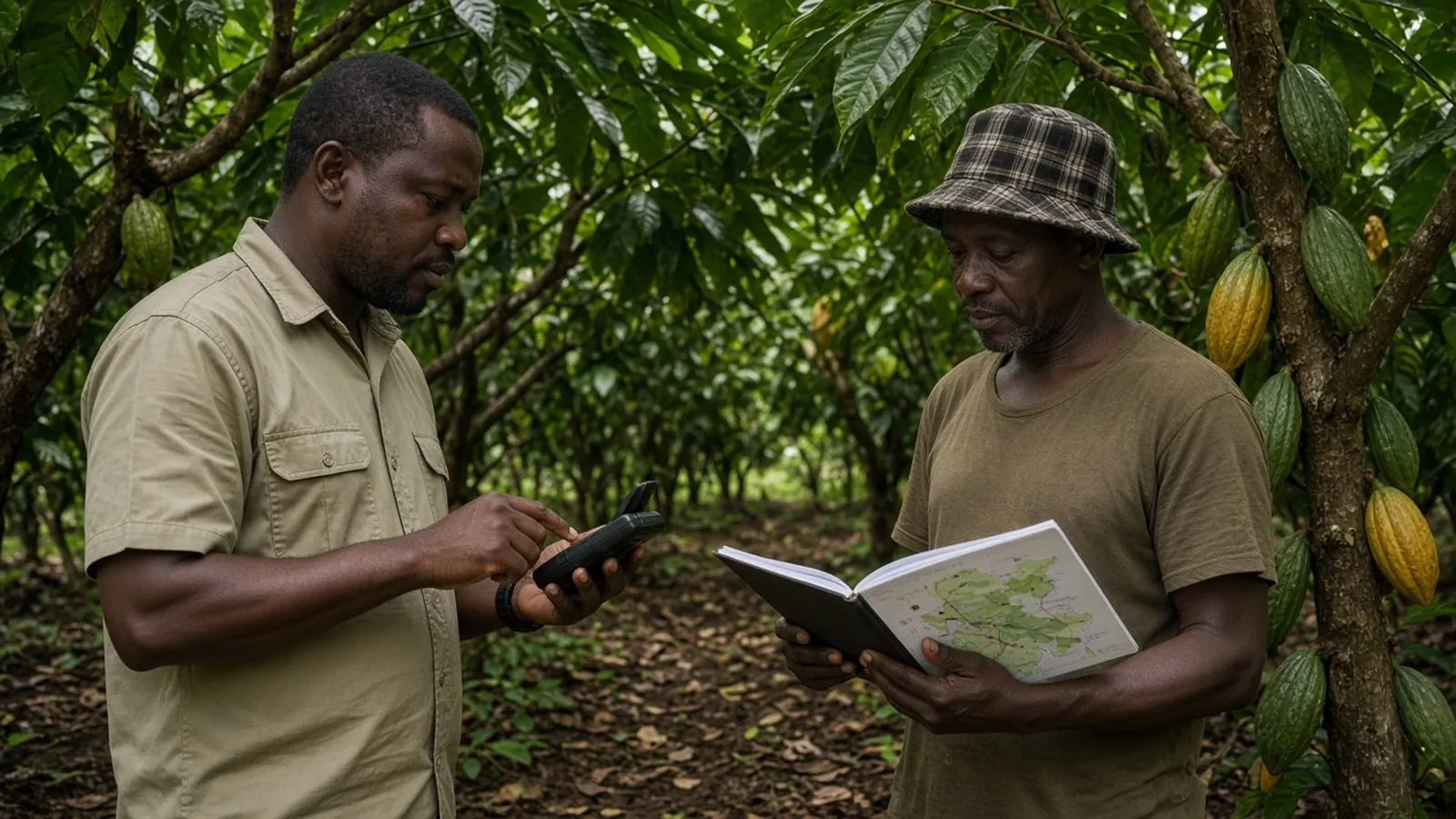
The EU Deforestation Regulation requires that relevant commodities and products placed on the EU market, or exported from it, are deforestation-free and legally produced, with a due-diligence statement. For cocoa and coffee — and for other listed commodities such as cattle, oil palm, soya, wood and rubber, as the regulation defines them — the practical request that lands on an African warehouse floor is: map the plots, keep the crop from those plots identifiable, and hold the documents that show the production was legal under local law.
In the checklists used by cooperatives and exporters in 2026, that usually means:
- a list of suppliers and farms, with names that match the people you actually pay;
- geolocation of plots — a GPS point for small plots, and a polygon when the rules and the buyer require it;
- evidence that the land was not converted from forest after the regulation’s cut-off date;
- legality documents as they exist in your country: land or tree-use rights, relevant permits, labour and environmental rules the buyer names;
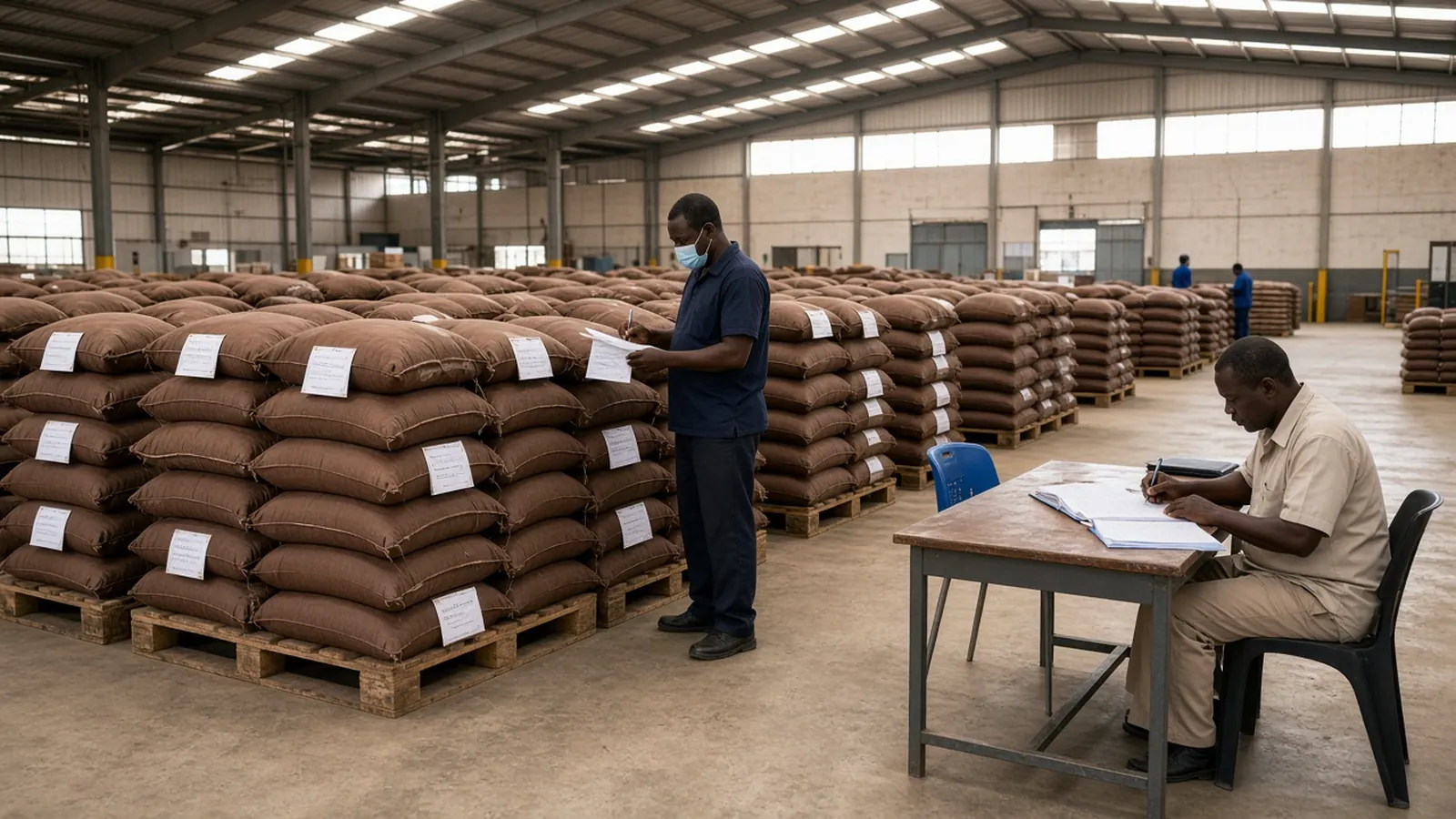
- a lot system so a bag or a container can be traced back to a group of plots, not only to “the region.”
This is expensive and imperfect, especially for a collection network that still buys from hundreds of smallholders. It is also, in 2026, becoming a condition of market access, not a corporate-social-responsibility brochure. Threads in cocoa-sustainability forums and trade notes from West and East Africa treat traceability as a commercial asset, not only as a compliance cost. A cooperative that can already hand a buyer a mapped supplier list is in a stronger position to negotiate pre-shipment finance as well as a price.
If you grow cocoa, the agronomy still matters: a diseased, poorly fermented lot will fail a contract whether or not it is mapped. Our guide to cocoa black pod is about keeping the crop on the tree. This article is about keeping the crop eligible for the buyer who pays for it.
2. The money: letters of credit, pre-shipment finance, and what banks want
Export finance is a set of tools for the gap between paying farmers and being paid by a buyer. The tools that actually appear in African agri-trade are usually:
- A letter of credit (LC). The buyer’s bank undertakes to pay if the documents in the credit — bill of lading, invoice, packing list, certificate of origin, quality or fumigation certificates, and whatever else the LC lists — are presented as required. “The buyer is a friend” is not a substitute for a workable LC, or for another secure payment term you have actually agreed.
- Pre-shipment or packing credit. A local bank, sometimes backed by a development-finance line or a buyer’s bank, advances money so you can buy crop, process and pack, against a contract or an LC. Kenyan and other 2026 trade-news items have described facilities aimed at avocado, coffee and macadamia exporters; similar ideas exist, unevenly, in other markets. Terms, collateral and eligibility are specific to the bank. There is no single “Africa export loan.”
- Warehouse or inventory finance, and receivables finance, where the legal system and the warehouse receipts actually work. In countries where they do not, do not pretend a pile of bags is bankable collateral.
A bank that is being asked to finance a shipment will ask some version of the same questions a buyer now asks: is there a real contract, can you perform, is the quality system real, and can you show the compliance pack? In 2026, a missing EUDR file can be a credit issue, not only a sustainability issue. Institutional initiatives — including trade-finance coalitions and development-bank lines reported in 2026 for West African value chains — may sit behind a local bank, but you still apply to a bank, with documents, not to a press release.
An illustrative sequence, not a bank offer. An exporter has a contract to ship two containers of coffee to an EU roaster, payment by LC at sight, shipment in eight weeks. The company needs funds now to pay a cooperative, mill the lot, and book the vessel. A workable file would usually include the signed contract and the draft LC text, the processing and quality plan, insurance, a packing list format that matches the LC, and, in 2026, the geolocation and legality pack the roaster has already said it will need. The bank, if it agrees to a pre-shipment advance, will want a way to be repaid from the LC proceeds and will often take an assignment of those proceeds. If the LC text calls for documents you cannot issue, fix the text before you buy the crop, not at the port.
3. Standards besides EUDR: GlobalG.A.P., organic, and ordinary quality
Avocado, fresh pineapple, and other fresh produce buyers may still want GlobalG.A.P. or an equivalent farm-assurance scheme, residue tests, and cold-chain records. Organic certificates have their own rules and their own fraud problems; a certificate without a traceable lot is a weak document. None of these replace EUDR where EUDR applies, and EUDR does not replace a quality specification. Budget for audits, for staff who can walk a farm and a warehouse, and for laboratory tests that a contract actually names.
Start with the buyer’s written list. Then build a folder that a second person in the company can find at 6 a.m. on sailing day: contracts, certificates, maps, lot records, insurance, and the LC checklist. A brilliant farm visit and a messy office is how shipments miss vessels.
4. If you are a cooperative, not a large exporter
You may not issue the export invoice, but you are now part of someone else’s due-diligence system. Ask the exporter or the licensed buying company, in writing, what map, what farmer list, and what payment records they will need from you, and who pays for the mapping. Do not sign a data sheet you do not understand, and do not hand over original land documents without a copy and a receipt. A fair commercial relationship in 2026 includes a conversation about how the cost of compliance is shared, not only a conversation about the farm-gate price.
If a diaspora partner or a foreign investor is entering the business, they should read the due-diligence checklist for African agribusiness investment rather than treating a container contract as proof that the underlying company is sound.
5. Currency, claims, and offers that are not finance
Even a clean LC does not remove foreign-exchange risk. If you pay farmers in a local currency and you are paid in dollars or euros weeks later, a move in the rate can erase a thin margin. Talk to the bank, before you buy the crop, about whether a forward contract or a simple natural hedge (matching the currency of your costs and your invoice) is available to a company of your size. If it is not, build a margin that can stand a bad week in the currency market, or you are speculating, not exporting.
Quality and weight claims at discharge are the other regular hole in a cash-flow plan. Agree the sampling and the independent inspection in the contract, keep retain samples, and do not ship a lot you already know is mixed or under-fermented because “the vessel is leaving.” A claim that arrives after you have already paid the cooperative is how otherwise good seasons turn into a hole at the bank. The same discipline applies to chilli, cassava products and other lots that look straightforward until moisture or residue tests come back.
Finally, treat unsolicited “we will finance your exports if you pay a facilitation fee” messages as a warning. Real pre-shipment finance goes through a bank or a known buyer programme, with documents, not through an email that asks you to wire a processing fee to a personal account. If a stranger already knows your cargo plan and is in a hurry, that is not a sign of a special facility. It is a sign to slow down and call the bank you already have a relationship with.
Common mistakes
- Spending the pre-shipment money before the LC text is agreed and workable.
- Treating EUDR as “the buyer’s problem” until the week of shipment.
- Mapping farms once and never updating the list when members change.
- Mixing lots so carefully mapped plots become a blended bag with no trail.
- Paying a consultant for a certificate that is not tied to the lots you will actually ship.
Checklist
- I know which commodities in my trade are EUDR-relevant, and I have read the buyer’s current document list.
- I have a supplier list and a plan (or a completed exercise) to geolocate plots and keep lots separate.
- My quality, organic or GlobalG.A.P. certificates, if I have them, are tied to those lots.
- Any LC or pre-shipment request includes a document checklist I can actually perform.
- Someone other than me can find the pack on sailing day.
Frequently asked questions
1. What is a letter of credit, in practice?
It is a bank’s undertaking to pay against a list of documents, on terms in the credit. If the documents do not match, payment can be delayed or refused. Agree the list before you ship, and have someone who has seen LCs before read the draft.
2. What paperwork does a European buyer want in 2026?
The commercial set (contract, invoice, transport and quality documents) plus, for EUDR commodities, the geolocation, legality and traceability evidence the operator needs for a due-diligence statement. Ask for the list in writing. Do not guess.
3. What is EUDR, and who has to comply when?
It is the EU regulation on deforestation-free supply chains. The operators who place goods on the EU market have formal duties. Exporters into that market are being asked to supply the evidence. Dates circulating in 2026 put large and medium EU operators at 30 December 2026, and small and micro operators at 30 June 2027. Confirm on the Commission page, because implementation details have been politically contested and may be updated.
4. What if I am a cooperative, not the exporter of record?
You will still be asked for farmer lists, plot data and a clean lot trail. Negotiate what you will supply, who pays for mapping, and how members’ data is protected. A cooperative that can do this well is more bankable, not less.
5. Will a development-finance announcement get me a loan?
Not by itself. Those programmes usually work through local banks and buyer programmes, which will still want a contract, collateral or a guarantee, and a compliance pack. Start with your bank and your buyer, and ask whether a specific line exists for your crop and country.
6. Does this apply only to cocoa and coffee?
No. EUDR covers a defined list of commodities and derived products. Coffee and cocoa are the most discussed African cases, but you must check whether your product is in scope. Fresh produce that is not in scope may still face GlobalG.A.P., residue and cold-chain requirements.
Final thoughts
The exporters who will still be shipping into the EU after 2026 are the ones who can put a mapped, legal, quality-consistent lot in a container and a matching document pack on a bank’s desk. Finance follows that ability; it does not replace it. Start with the buyer’s list and the plot book, then take a clean contract to the bank, and treat anyone who offers you “export finance” without asking for those things as a risk, not as a service. Build the plot book and the lot system in the quiet season, not in the week the first EU customer forwards a due-diligence questionnaire. The companies that will still have a European invoice in 2027 are the ones that started that work while the regulation was still a date on a calendar, and that taught a second person in the office how to run the pack when the first person is on the road. If you cannot yet name that second person, name them this month, and walk through a dummy shipment together: maps, lots, LC checklist, insurance. The dummy run will show the missing document while it is still cheap to find, rather than on a Friday afternoon when the vessel is already at the berth, the documents are short, and the advising bank has already closed for the weekend. That rehearsal is unglamorous, and it is how a first EU shipment stays on the vessel instead of sitting in a shed over the weekend, waiting on a courier.
Keep production records that can follow a lot
LazAgro helps farms and groups record production and sales, which is the first layer of any traceability story a buyer or a bank will later ask you to prove.
Discover LazAgroSources and further reading
- European Commission, EU Deforestation Regulation (EUDR)
- 2026 trade and cooperative briefings on EUDR document lists and deadlines for African coffee and cocoa exporters — confirm every date against the official page before you treat it as final.